Yoga Nidra, iRest, NSDR
On the weekend before PNW Climate Week I attended a Beginner’s Mind retreat at Great Vow Zen Monastery. The combination of mindfulness while working in the kitchen and garden was exactly what I have been looking for, but the hours in the car and on the cushion were hard on my body. While I know that a sitting practice is important for my mental health, and still find walking meditation very useful, what I keep returning to is meditation I can do on my back. Yoga Nidra, iRest, and NSDR are three names for roughly the same thing, arrived at from very different directions. Each of them has become a real alternative to sitting for me.
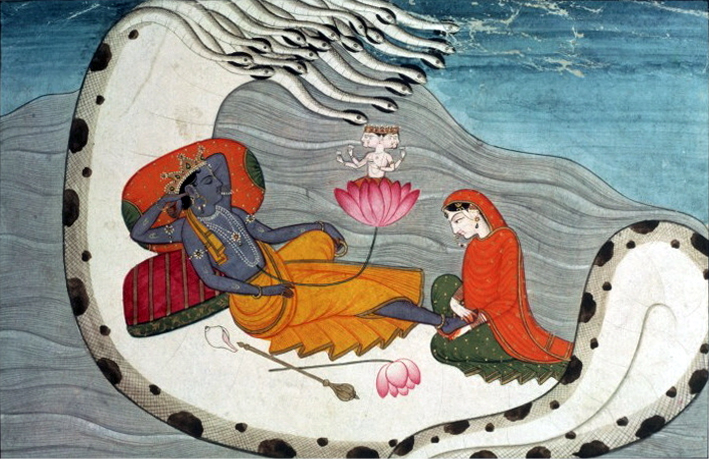
The oldest of the three is pretty similar to savasana at the end of a yoga class. Yoga nidra keeps you there for half an hour or more, scanning the whole body with awareness. I use it as a break from work or to wind down in the evening, and I come out clearer than a nap leaves me. Yoga nidra goes back to the Mandukya Upanishad, which lays out waking, dreaming, and deep sleep, and then a fourth state underneath those three. Lying down is also one of the four postures the Buddha named for mindfulness, alongside walking, standing, and sitting. Swami Satyananda Saraswati built the modern form in the 1960s. Recordings in dozens of languages are free at the Yoga Nidra Network archive.
Richard Miller, a clinical psychologist, rebranded yoga nidra as Integrative Restoration, or iRest for short. The Army Surgeon General listed it as a complementary program for PTSD and chronic pain. I learned it from Dora Chan at Flow Yoga in Santa Barbara, who shaped how I teach more than anyone else, not only through iRest but through the trauma-informed approach she brings to everything. Lately I go back and forth between the Yoga Nidra Network archive and the Great Courses iRest class on Audible or hoopla.
“Admittedly, I coined the term ‘NSDR’ because scientists like acronyms.” – Andrew Huberman
NSDR, or non-sleep deep rest, is the newest name and the one most people have heard, coined by Stanford neuroscientist Andrew Huberman for an audience that wants it without the Sanskrit. The pitch is nervous system rather than lineage: lying still and staying awake shifts you out of fight or flight and into the parasympathetic rest and digest, so the body repairs while the mind stays on. For the dopamine optimizing crowd it arrives bundled with cold plunges, saunas, morning sunlight in the eyes, and caffeine delayed ninety minutes.
Free ways in
- Yoga Nidra Network archive: hundreds of recordings in dozens of languages, no account needed
- The Great Courses iRest class on hoopla: twenty-four sessions, free with a library card
- Huberman Lab NSDR: free guided sessions, the shortest way to find out whether this works for you
While I do think aspects of yoga nidra have been lost in translation through iRest and NSDR, I find both remixes can be useful depending on who I’m trying to help, myself included. It’s so nice to have an alternative to sitting that is not only pain-free but actually pleasurable, and healthy through both an eastern and a western lens. If yoga asanas and walking meditation are not options for you, or sitting hurts, these are definitely worth checking out!